Montenegro vs Croatia for tourists. Comparison from someone who lived there.
Montenegro and Croatia share the same coastline along the Adriatic Sea, but they differ a lot in what they offer. Montenegro is 30–50% cheaper in restaurants and accommodation, while Croatia offers Schengen convenience and over 1,100 islands.
Short answer if you don’t want to read the whole text: Montenegro and Croatia share the same coastline along the Adriatic Sea, but they differ a lot in what they offer. Montenegro is 30–50% cheaper in restaurants and accommodation. Montenegro gives you a great mix of sea and high mountains (Bay of Kotor, Durmitor National Park) and that special, slightly chaotic Balkan atmosphere where locals will amaze you with their hospitality.
Croatia is a more polished Europe with good infrastructure inside the Schengen zone, better public transport, and over 1,100 islands you can reach by ferry. Convenience and predictability here are higher than in Montenegro, but you will pay 1.5 times more for them and share the beaches with 20 million tourists a year. Montenegro is the ideal choice if you travel by car or motorcycle. Choose Croatia if you travel only by bus/ferries or if your dream is to live on an island for a while.
Quick comparison of Croatia and Montenegro
| Parameter | Montenegro 🇲🇪 | Croatia 🇭🇷 | Winner |
|---|---|---|---|
| Daily budget (low / mid) | from €50 / from €100 per day | from €80 / from €150 per day | Montenegro |
| Accommodation near the sea (for two per night) | €90–150 | €110–160 | Montenegro |
| Food and drink prices | Beer €2–3, pljeskavica €10–12 | Beer €4–5, pljeskavica €18–20 | Montenegro |
| Visa and borders | Not in the EU and not in Schengen | In the EU and in the Schengen zone | Croatia |
| Direct flights from the US | No | Yes | Croatia |
| Public transport | Weak | Good | Croatia |
| Car rental | Easy | Easy | Tie |
| Tourist density | 2.5M per year (~181 tourists per km²) | 20.7M per year (~366 tourists per km²) | Montenegro |
| Nature and landscapes | Sea + mountains | Lots of sea and islands | Tie |
| Atmosphere and service | Homely, soulful, authentic | Modern European service | Depends on you |
Prices
Let’s start with the main parameter for most travelers — the price of the trip.
Prices for everything depend heavily on the season and distance from the sea, but in Croatia everything is a bit more expensive.
Since Croatia is part of the Schengen zone and is better prepared for tourists, it is visited more often by tourists from the rest of Europe, whereas many people are simply too lazy to go to Montenegro — you have to sit in traffic at the border, and the country is very small so people think it’s not worth spending time on it (that is a mistake).
Accommodation prices
Renting a hotel or villa not far from the sea for two costs around 110–160 euros in Croatia for one night, for example in the Split region. In Montenegro, around Kotor and its bay, you can find similar places for 90–150 euros a night. At the same time, you get the same nature, the same food, and the same sea.
Food prices
Here the savings are even bigger, and they are in Montenegro’s favor. A beer here costs around 2–3 euros a glass, while in Croatia it is 4–5 euros. You can order a pljeskavica in Montenegro for 10–12 euros even right by the sea, while in Croatia it will cost you 18–20 euros.
Really, for any item on the menu of any restaurant in Montenegro, the price is 30–50% lower.
(And if you want to eat for almost nothing at all, check out food prices in neighboring Bosnia and Herzegovina.)
Transport
Croatia wins here if you plan to use public transport. In Montenegro there are no convenient mobile apps (and honestly, there are none at all), and a ticket from Podgorica to Budva (which is really close) costs from 10 euros!
In Montenegro, just like in Croatia, I recommend renting a car — it is much cheaper than it seems. To rent a car in these countries you won’t need a credit card, sometimes you don’t even need a deposit, and money-wise having your own car will come out even cheaper than public transport. I wrote in detail about how to rent a car, save money, and not get scammed in my book Montenegro Insider Travel Guide (or download the first 11 pages of the book for free).
How much money you need per day
- Montenegro on a low budget: from 50 euros a day — this is enough for the cheapest hostels/campsites, food, and even renting a moped.
- Montenegro on a mid-range budget: from 100 euros a day — a mid-range hotel or apartment, vehicle rental, and excursions.
- Croatia on a low budget: from 80 euros a day.
- Croatia on a mid-range budget: from 150 euros a day.
Number of tourists
According to official data (Montenegro MONSTAT and Croatia DZS), 2.5 million tourists visited Montenegro in 2025, while 20.7 million visited Croatia.
So, taking the size of the countries into account, in Montenegro that is 181 tourists per square kilometer, and in Croatia — 366.
Both in theory and in practice, you will see far more travelers on the Croatian coast than on the Montenegrin one.
Atmosphere
Because of these numbers, Croatia is already more used to tourists and there you will get more modern service geared toward a high tourist flow. If you just want to have a good vacation by the sea, drive to the mountains, and enjoy the views without extra stress — in Croatia everything is ready for you!
In Montenegro, tourism is developed slightly less. Everything here feels a bit simpler and more “homely.” I lived in Montenegro for over a year and I can say for sure that right here you can easily feel the whole Balkan vibe. Meet local people who will treat you to rakija completely for free! Montenegro is more authentic and calm, and at the same time more chaotic from a tourist’s point of view.
Beaches
I swam many times both in Montenegro and in Croatia. Croatia’s coastline is several times larger than Montenegro’s — there are super clean paid beaches with sunbeds, and right next to them wild beaches among high cliffs. In Montenegro, surprisingly, it is the exact same thing, just smaller. I would put an equals sign between Montenegro and Croatia when it comes to beaches.
Islands
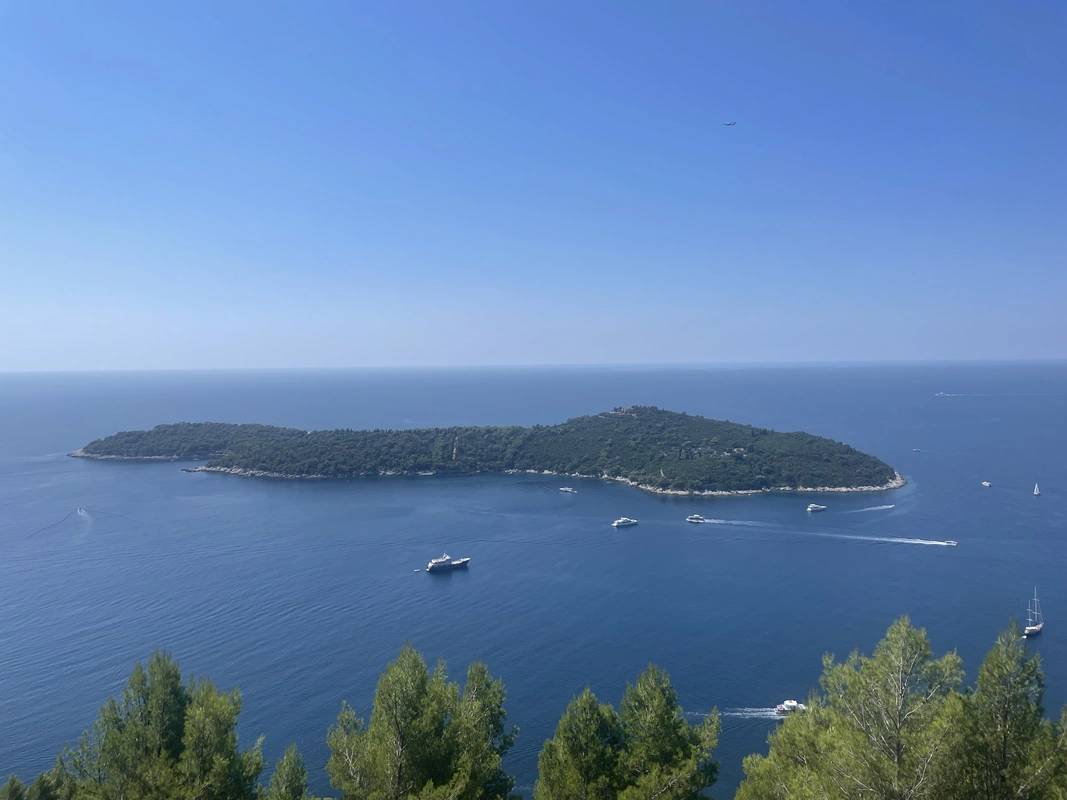
Now, what really sets Croatia apart is the islands! There are over 1,100 islands here and they run along the entire coast of Croatia. Because of this, from the mainland you often cannot see the horizon at sea — the islands block it completely and it feels like you came to a salt lake rather than the sea.
I have been to the islands of Krk and Pag, and I want to visit the remote island of Lastovo to completely forget about civilization there.
You can get to many islands for free over bridges, but most can only be reached by ferry.
Service on the islands is less developed, most islands have no permanent population, and sometimes on the islands there are just small villages without hotels or even campsites.
Islands are definitely a huge plus for Croatia. If you want to turn off your phone and be in nature where nobody will distract you — this is a great destination!
Nature
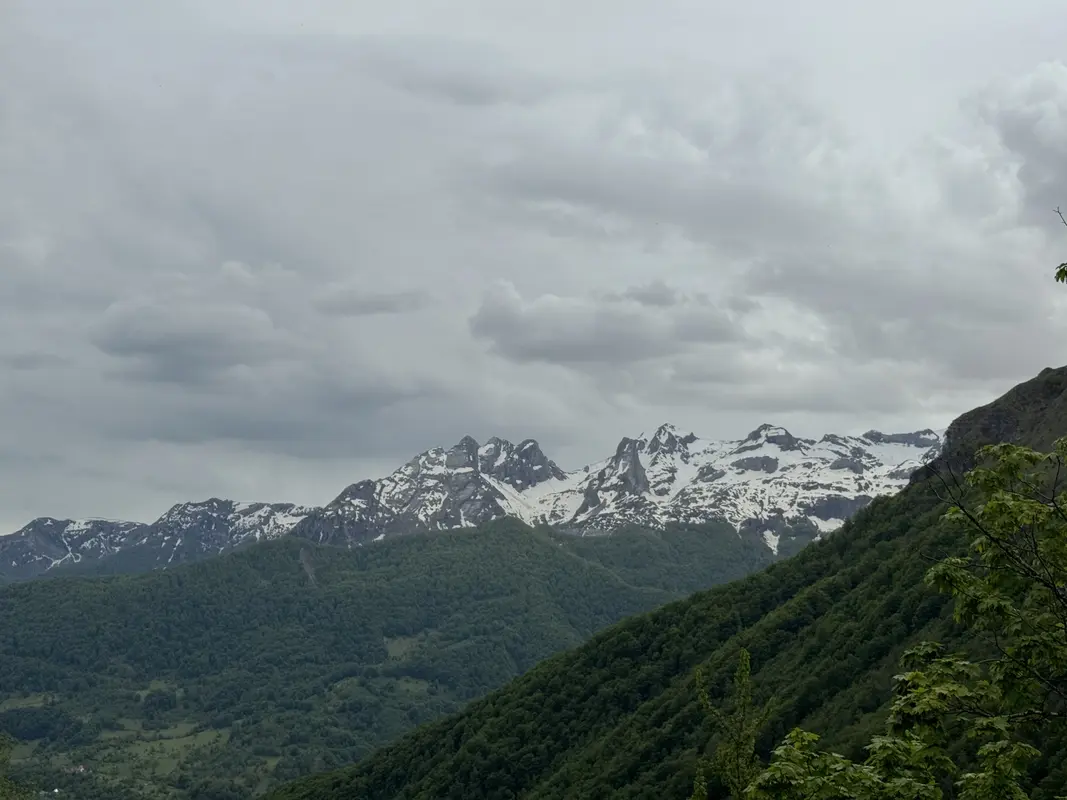
Both countries have beautiful nature, however there is a small difference.
Croatia: a lot of sea. Montenegro: a bit less sea and a lot of mountains.
The best photos come out in Montenegro — the view of the Bay of Kotor.
Infrastructure
As we already noted above, infrastructure in Croatia is developed a bit better. Let’s look closer.
Getting around inside the countries
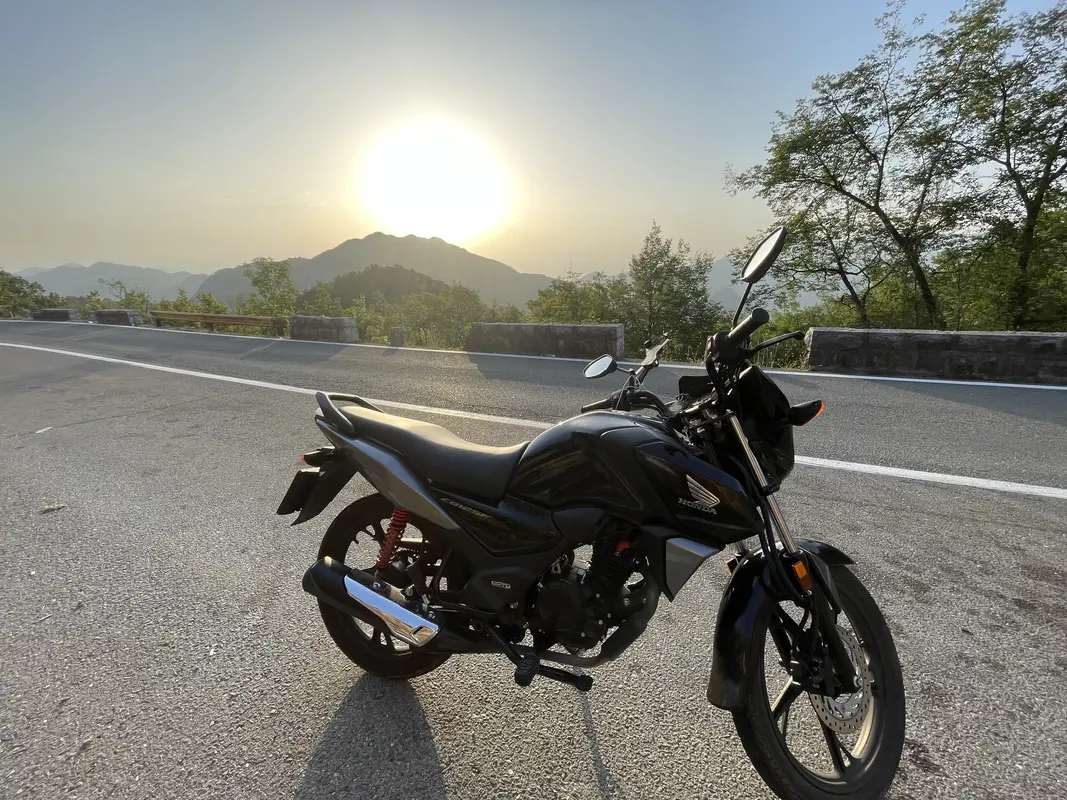
In Croatia, many buses run between big cities, there is a developed ferry network between the islands (it’s easy to buy a ticket on jadrolinija.hr), and renting a car is just as easy as in Montenegro.
In Montenegro, there are problems with public transport, especially in summer. Because of traffic jams on the roads and a sparser schedule, sometimes you will have to wait a long time for your bus. Once in July, I stood at the bus station in Budva for an hour and a half. My bus from Podgorica was stuck in traffic.
Overall, Montenegro has fewer roads, although in summer the roads are packed in both Croatia and Montenegro. In Croatia the situation is slightly better. If you plan to visit the inland beauty of Montenegro — Durmitor, Prokletije parks, or the mountains in the north — you definitely need to rent a car.
So if you don’t have a driver’s license yet, Croatia will be easier.
Difficulty of flying into the country
Here everything is about equally simple. The Croatian airports Split and Dubrovnik and the Montenegrin airports Tivat and Podgorica are served by roughly the same number of flights.
But you can fly to Dubrovnik directly from the US. There are no direct flights from America to Montenegro.
And if you are traveling from Europe, or more precisely from the Schengen zone, there will be no border control at the airport in Croatia.
Those are the main differences. Otherwise, getting to Montenegro is just as easy as getting to Croatia. You will just have to stand for 10–30 minutes in line for passport control. And possibly fly with a layover.
Food in Croatia and Montenegro
The food in both countries is roughly similar, and it is great!
In Croatia and Montenegro it will be harder for vegetarians and vegans, because Mediterranean cuisine dominates here — lots, LOTS of meat, cheese, and fish. Plus grilled vegetables, pastries, olive oil, and salads.
And if you love meat like I do — try Punjena pljeskavica — it is a meat patty inside a big meat patty. Just like that “Pimp My Ride” meme on MTV — we put meat inside your meat so you can eat meat while you eat meat.
Let’s try to find the differences:
We already know that Croatia is more adapted to tourists (though Montenegro is not far behind, to be honest), so restaurants and cafes there are more standard, more like in the rest of the world. Restaurants there have a more modern approach and a slightly stronger wine culture, especially in Dalmatia and Istria. And in tourist spots like Dubrovnik, everything is already fine-tuned for tourists.
Montenegro is simpler, has more vibe, and feels more homely. There are more simple restaurants with nice wooden interiors. Montenegro stands out for its special coziness and warmer attitude from waiters. There are more places where only locals or locals + tourists go, and far fewer purely tourist restaurants. Portions in Montenegro are usually bigger, and prices are noticeably lower!
🇲🇪 Who should choose Montenegro
- If you want to save money
- If you want to dive deeper into Balkan culture
- You love mountains. Montenegro offers a great combination of sea and mountains
- Smaller tourist crowds and a relaxed atmosphere matter to you (in Montenegro it is almost too relaxed — there is even a special word for this in Montenegrin, and that word is polako)
🇭🇷 Who should choose Croatia
- If you love islands and lots of sea
- If you need developed tourism infrastructure and public transport
- If you are ready to pay more for infrastructure and a higher level of comfort
- If you are going to the Balkans for the first time and need more predictability
Advice from the author
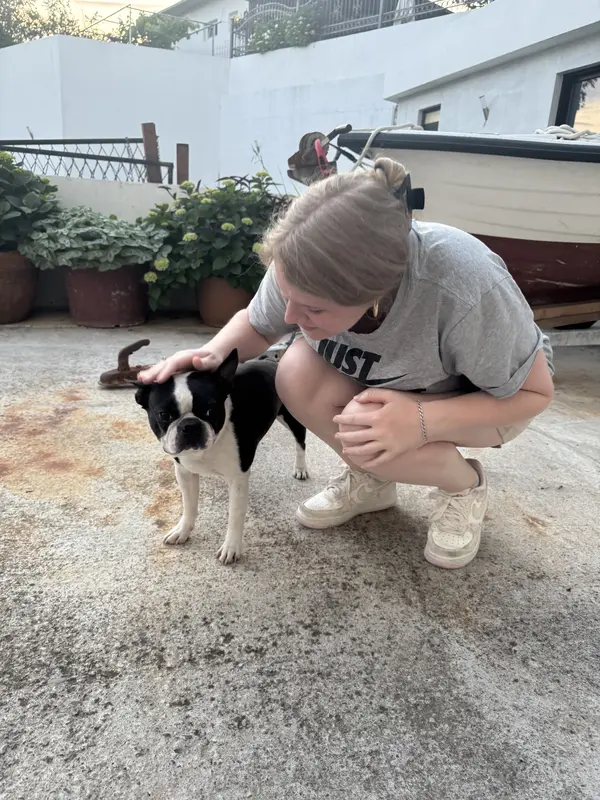
I lived in Montenegro for over a year and know almost everything about this wonderful country. Now I travel to Croatia often — in total I have spent more than 2 months there. I lived in campsites, rode a motorcycle, visited the islands and the capital. And in Montenegro I got my residence permit, stood in lines at the police station, froze in the mountains, and took boats out on the lakes. There are very few places left in the Western Balkans where I haven’t been yet.
I’m happy to give you a few tips:
- If you are in Dubrovnik, Montenegro is right next door! Rent a car and drive at least to Herceg Novi, a town right next to the Croatian border. If you leave early, you will also have time to visit Kotor with its old Venetian architecture (and a million cats) and the serpentine road, from the top of which you get an unreal view of Kotor, Tivat, the mountains, and the Adriatic Sea stretching past the horizon. Just keep in mind that starting around 7–8 AM there can already be traffic jams at the border.
- If you want to learn more about Montenegro, download the free PDF sample of my book about this country. In it I put together all my knowledge about Montenegro and the Balkans — local culture, local quirks, how to behave properly, how not to get scammed (and even how to bypass the border traffic jam from Croatia), details on renting cars/motorcycles/apartments, visa requirements, and a local phrasebook. That way you will go to Montenegro and feel almost like a local there.
My personal conclusion
If you ask me where I am going to spend my vacation, I will still choose Montenegro. Yes, of course the asphalt is smoother in Croatia, ferries leave on time, and in places like the islands of Pag or Lastovo you can completely forget what year it is.
Croatia is clear, cool, and quite “European.” But Montenegro has something money can’t buy — the feeling of a real, living country, not a decoration for tourists. When you drink your morning coffee by the sea around the Bay of Kotor, four hours later you are riding a motorcycle over mountain passes in the north with nobody around you, and in the evening for 12 euros you eat a huge portion of something local at a family konoba where the owner both cooks and brings you your order himself, you understand why you came here.
If you want a predictable European resort with islands and you are traveling without a car — buy a ticket to Croatia, you won’t regret it. But if you want the real authentic Balkans, love mountains, and want delicious food at a fair price — try Montenegro. Just prepare in advance so the local chaos doesn’t drive you crazy.