Montenegro Travel Itinerary for 5, 7, and 14 Days From Someone Who Lived There
Don’t try driving around all of Montenegro in a couple of days — due to hairpins, narrow roads, and summer traffic jams, 30 kilometers here can take over an hour. Here are realistic 5, 7, and 14-day routes.
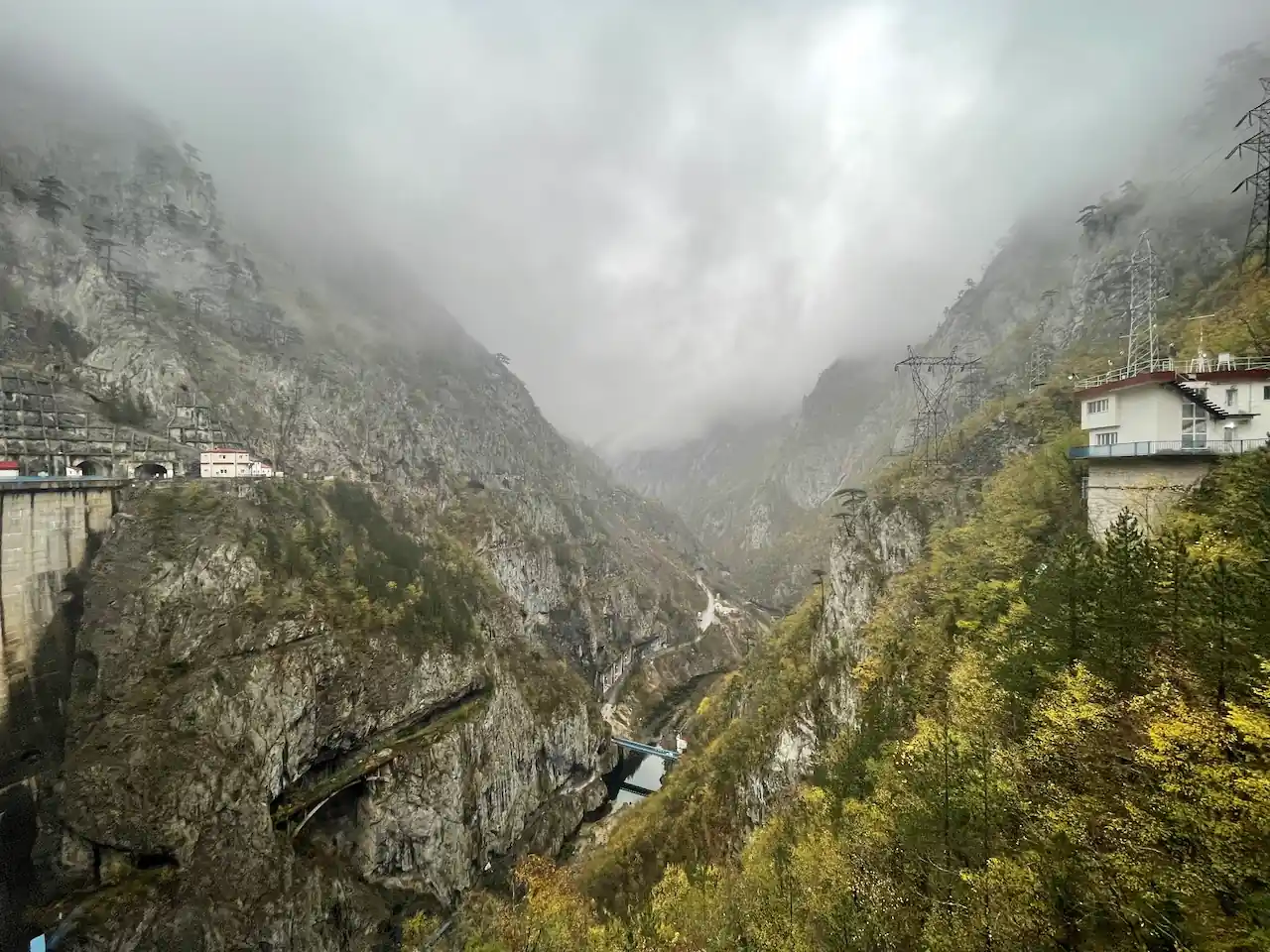
Short answer if you don’t want to read the whole text: You don’t need to try driving around all of Montenegro in a couple of days, because despite its small size on the map, due to hairpins, narrow roads, and summer traffic jams, a route across the country will take more time than you expect. If you are flying in for 5 days, pick one hotel in the Bay of Kotor and focus on the coast and the mountains closest to the sea, for example, Lovćen. For a short trip like this, you won’t even need to rent a car.
If you have a week, spend 5 days by the sea and 2 days in the mountains in the north of the country. Visit Durmitor National Park, the Tara River Canyon, and stay high up in the mountains in the town of Žabljak. You will also have time to visit the largest lake in the Balkans — Lake Skadar.
For a full immersion into the Montenegrin vibe, take a 2-week vacation, rent a car, and go on a road trip all the way around the country! From the Bay of Kotor to the high-mountain Sedlo Pass, Piva Lake, the Ostrog Monastery carved into a cliff, the ski resort town of Kolašin, and back down to Ada Bojana beach on the border with Albania, the 12-kilometer sandy beach, and party-loving Budva.
Itinerary Table
| 5 Days | 7 Days | 10–14 Days | |
|---|---|---|---|
| Main locations | Kotor, Dobrota, Perast, Tivat, Mount Lovćen, Budva, Sveti Stefan, Herceg Novi / Luštica | Everything from 5 days + Cetinje, Lake Skadar, Old Bar, Tara Canyon, and Durmitor | The whole country in a loop: Kotor Bay + Ulcinj (Ada Bojana) + Kolašin + Durmitor + Piva Lake + Ostrog |
| How many bases (places to sleep) | 1 base (Bay of Kotor or Tivat) | 2 bases (5 nights by the sea + 2 nights in Žabljak) | 4 bases (Bay of Kotor, South coast, Kolašin, Žabljak) |
| Do you need a car? | Not necessary | Needed for at least a couple of days | Definitely needed |
| Estimated daily budget for two | from €90–130 per day | from €120–150 per day (car rental) | from €120–150 per day (car rental, but accommodation in the north is cheaper) |
Main Mistakes When Planning a Montenegro Itinerary
Let’s look at the main mistakes most tourists make — and they make them because Montenegro knows how to surprise you! It is a small country; on a map of the world or even Europe it is hard to find, and tourists think they can drive around it in a single day. Spoiler: in one day you won’t get anything done!
I lived in Montenegro for over a year and drove across it up and down both by car and by motorcycle. Montenegrin kilometers (and miles) do not work at all the way you are used to in other countries. And here is why:
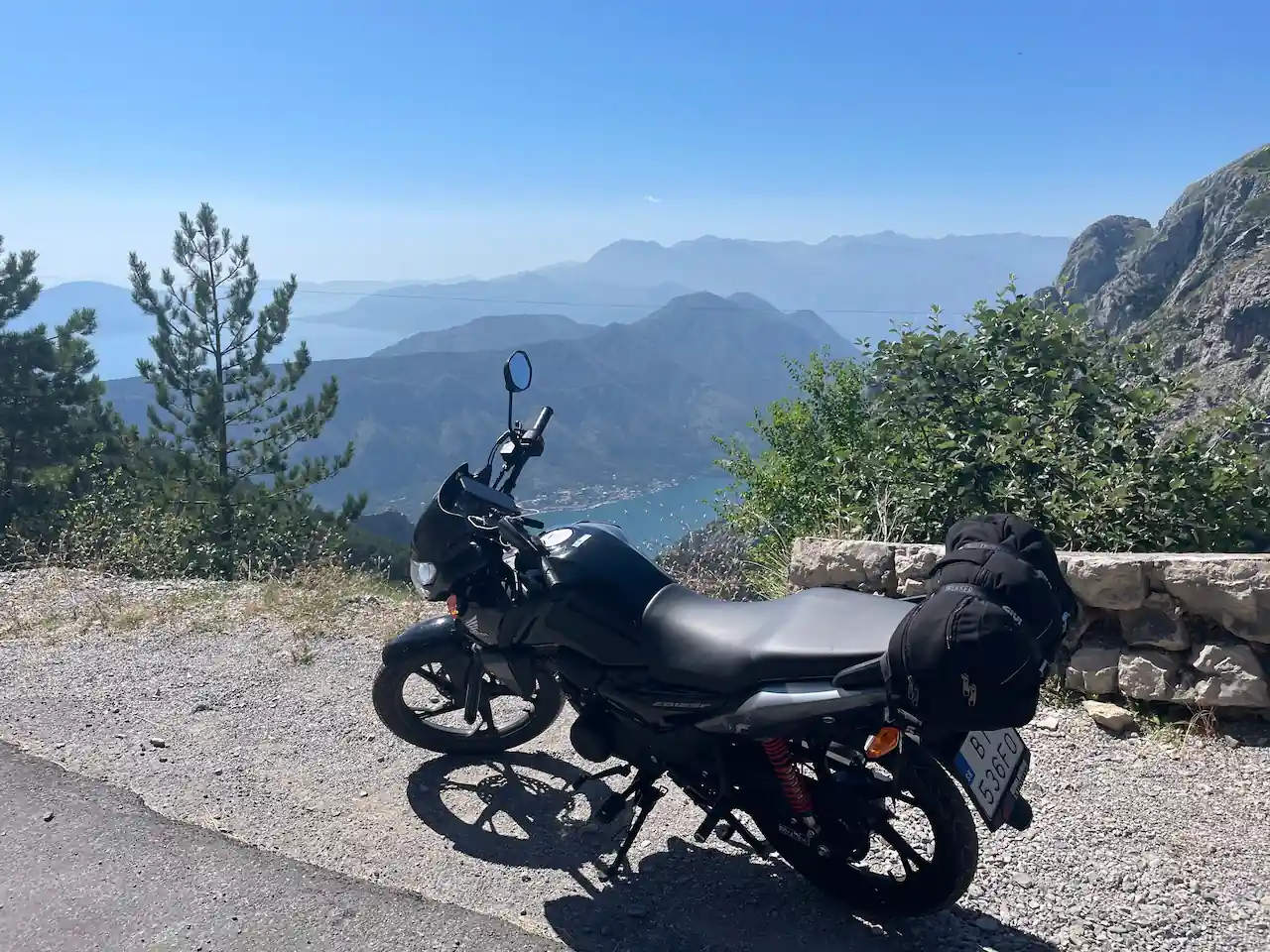
30 kilometers is not half an hour of driving (and sometimes not even an hour)
There is only one motorway in Montenegro — as of late 2026, only 40 kilometers (25 miles) of it have been built, running from Podgorica north to the town of Kolašin. All other roads are small, and on many of them even 2 cars can barely pass each other. Most often, it is just one lane in each direction.
So while in the UK or Croatia, 30 kilometers is 18 minutes on a highway or 30 minutes on a regular road, in Montenegro that same distance sometimes takes more than an hour. Add tourist buses and trucks that decided they needed to drive right along with you up the Kotor serpentine. I have no idea why, but they constantly push their way up there.
Where the main traffic jams are
Between Kotor and Budva there are only 23 kilometers (14 miles), and Google Maps will tell you it’s a half-hour drive. That is true if you check the route in winter or at night.
In reality, you will sit in traffic the entire way. The main problem is the Vrmac Tunnel (right before Kotor) and regular roadworks. In Montenegro, they love repairing roads right in the middle of the tourist season.
In May 2026, I was driving from Tivat Airport to Kotor and got stuck in a traffic jam right before the Vrmac Tunnel, and it only ended in the center of Kotor. 2 kilometers of road (1.25 miles) took 70 minutes. That was a rare case where the traffic jam was that bad, but be ready for it. If you are driving toward Herceg Novi, it is better to take the ferry. It costs just 5 euros for a car, and passengers ride for free.
Get ready for traffic jams all along the coast. Especially from Kotor and Herceg Novi down to the town of Bar. Also on the serpentines near Kotor and near the town of Virpazar. North of Podgorica and Nikšić there is usually no traffic.
Crowds of tourists in Kotor
Kotor is a wonderful small town with thousands of cats wandering everywhere. Great old architecture, mountain views, and a pleasant waterfront. But right inside this small town there is a port — directly across from the Old Town gates. And huge 7-, 8-, and 9-story cruise ships constantly arrive here.
The little town instantly fills up with passengers from these ships — it is completely impossible to squeeze through, there are no free tables at cafes, and you won’t be able to take a normal walk. The solution: arrive in Kotor at 8 AM. Trust me, the weather will be great — it’s not hot yet, tourists haven’t woken up yet, and the cruise ships haven’t docked yet. You will have 3 hours to walk around the whole town, drink local coffee, and feel the atmosphere of this place. The second option is to come after 6 PM; there will be fewer crowds, and the town turns on its evening street lamps.
Not accounting for the weather difference
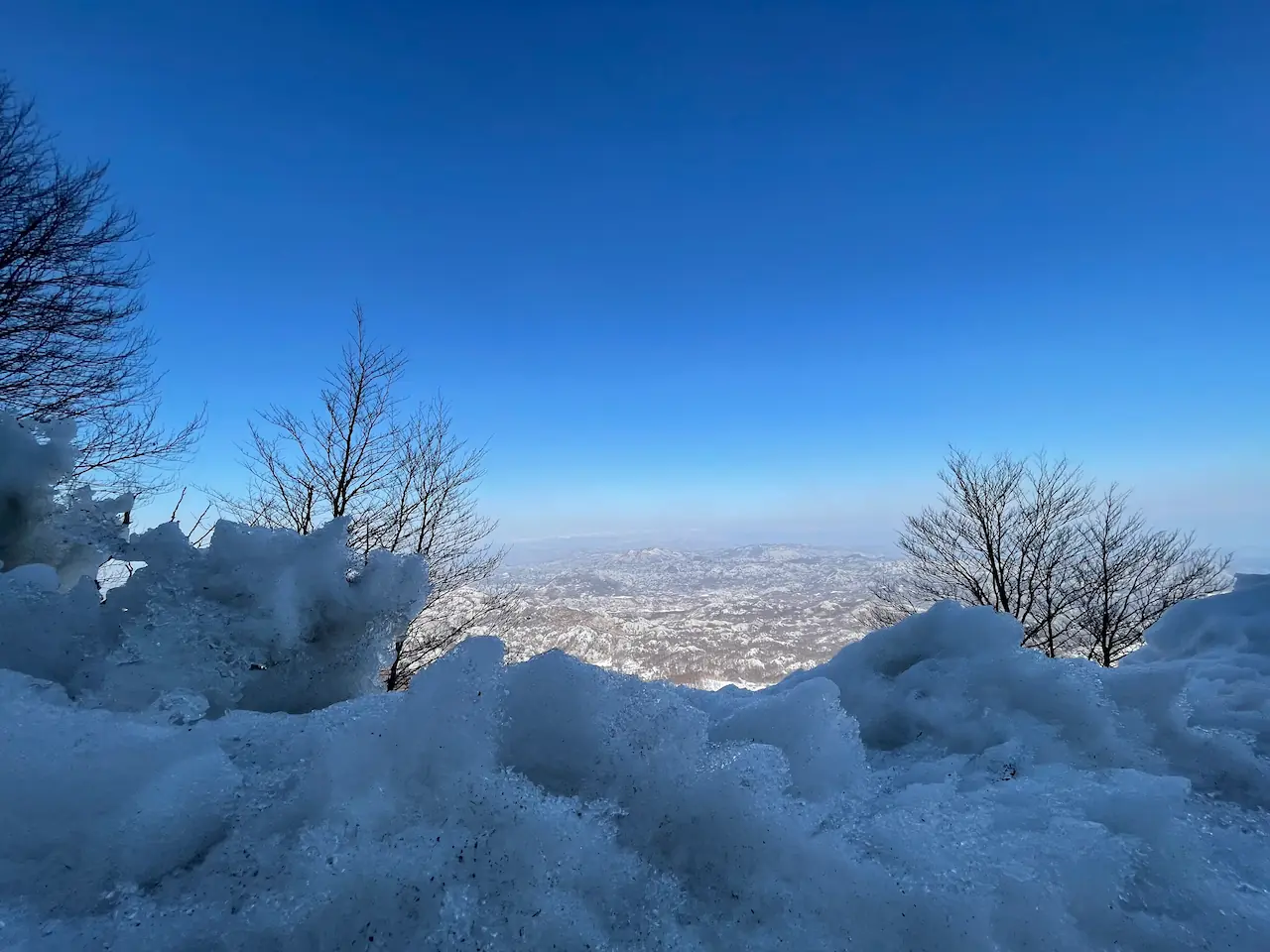
Montenegrin geography goes like this: sea, then mountains, then a plain, then even higher mountains. While people are swimming in full swing at the sea, 150 kilometers away there can still be snow. I saw snow in Žabljak even in May! So be sure to pack warm clothes, even if you are traveling in summer. By the way, I put together a free checklist where I wrote 2 pages of things you need to do before flying to Montenegro and during your first days in the country — it will help you avoid mistakes like these and save money on potential fines (get the free checklist).
Where to Stay Overnight
The main rule for Montenegro is: if you are flying in for 5 days, pick one base near the sea, and if for 7+ days, stay both by the sea and in the mountains. That way you won’t get tired of constantly moving between hotels.
The Coast
On the coast, there are two main areas where everyone usually goes:
Towns around the Bay of Kotor — Kotor, Dobrota, Perast, Tivat. Great places where you will find great views of the fjord, old towns, and a southern European atmosphere. One of the main airports is located in Tivat — it is easier for logistics. The downside here is the lack of beaches.
Budva, Bečići, Rafailovići — this is the center of the coast and nightlife. Nearby is one of the best beaches in Europe — Jaz Beach. On the other hand, in summer these are the noisiest and most overcrowded places in Montenegro, and finding parking here is impossible (even paid parking is hard to find).
The North
If you want mountains, canyons, and cool lakes, definitely set aside 2–3 nights in the north of the country:
Žabljak — the highest town in the country. Nearby are Black Lake, the Đurđevića Tara Bridge, the Tara River Canyon, and Durmitor National Park.
Kolašin — not too far from the capital and the sea. You can quickly reach Podgorica via the motorway. Nearby are two ski resorts and Biogradska Gora National Park. From here it is easy to drive to remote regions of the country, like the town of Gusinje, where you can walk between the peaks and eat at a local konoba.
5-Day Itinerary. Bay of Kotor and Lovćen
- Who it’s for: If this is your first trip to Montenegro or if you don’t want to spend a long time driving.
- Where to stay: 1 town for all 5 days — Kotor, Orahovac, Risan, Perast, or Tivat. Bijela or Herceg Novi are also possible, though that’s a bit far.
- Transport: This route is easy to do without renting a car, though with a car you will save time and be able to stop at the best spots.
Day 1: Kotor Old Town, San Giovanni Fortress, and Dobrota Waterfront
Start your acquaintance with the main geographical treasure of the country — the Bay of Kotor. It is best to come to Kotor Old Town by 8 AM. At that hour, hundreds of tourists from the ships haven’t disembarked at the port yet. At this time the narrow streets of the town are still empty, Montenegrins are drinking espresso at cafes, and the local cats are still resting on the already warm stones.
If your fitness allows, climb straight up to the Fortress of St. John (San Giovanni) above the town. From the top, you get that exact postcard view of the only Montenegrin fjord and the terracotta roofs. But the climb can take up to an hour. There are a lot of steps there.
After lunch, walk along the water toward Dobrota. Try the mussels and fish at local restaurants. During the day, Kotor itself gets very crowded.
Day 2: Perast, Our Lady of the Rocks, and Superyachts in Tivat
In the morning, head to Perast. It is a tiny town a 20-minute drive from Kotor. A regular suburban bus will take you there, or you can take a car and park near the road.
On the Perast waterfront, hop on a boat that will take you to the small islet on the reef (Gospa od Škrpjela). Local sailors built this island out of stones and sunken ships over the last couple of hundred years, and it is very close to the town. You will get there in 5 minutes.
In the afternoon, come to Tivat and its famous Porto Montenegro. It is the complete opposite of old Perast: a spotless promenade with palm trees and snow-white superyachts (I am even afraid to imagine how much they cost). Right here you also have boutiques and great spots to watch the sunset with a glass of local Vranac (that’s Montenegrin wine).
Day 3: Kotor Serpentine, the Mausoleum, and Njeguši Village
Today we go up from the bay into the mountains. You have two options:
Without a car: go up from Kotor on the new Kotor–Lovćen cable car in just 10 minutes. The views from the cabin over the entire bay and the Adriatic are out of this world. From the upper station, you can take a local transfer to the top of Lovćen.
By car: drive up the legendary old Austrian road from Kotor to the village of Njeguši. Those are the 25 numbered hairpins. Stop somewhere around hairpin 15 to 25, then drop into the village of Njeguši to try smoked Njeguši prosciutto (pršut) and homemade cheese, and then drive up to the Mausoleum of Petar Petrović Njegoš in Lovćen National Park. On a clear day, from the circular viewpoint behind the mausoleum you can see all of Montenegro (well, almost).
Day 4: Budva Riviera, Miločer Park, and the Postcard View of Sveti Stefan
After the packed first days, today we pick an easier route. Leave early toward Budva before the traffic jams start. Walk around the small Old Town of Budva right by the sea, and take the scenic path along the cliffs to Mogren Beach. Near this path you will meet the Ballerina statue — it is the symbol of Budva.
After lunch, head toward Bar — to Miločer Park and the island-hotel of Sveti Stefan. The island itself is closed to visitors, but walking in the shade of old pine trees from Queen’s Beach (Kraljičina plaža) to the Sveti Stefan isthmus is one of the nicest walking routes on the coast.
Day 5: Herceg Novi or the Blue Cave
On the final day, pick whichever fits your mood better:
Walking option: Go to Herceg Novi right at the entrance to the bay. This is the greenest town on the coast, and probably the steepest. With three old fortresses (Forte Mare, Kanli Kula, and Španjola), a long six-kilometer promenade, and the old Savina Monastery with an unreal view of the bay (though after the Kotor serpentine, a view like that won’t surprise you anymore).
Sea option: Explore the wild Luštica Peninsula. Really, tourists hardly ever go to Luštica at all; this peninsula has almost no infrastructure set up. Swim at the pebble beach of Žanjice, take a boat into the Blue Cave (Plava Špilja), where sunlight underwater lights up the grotto in bright turquoise, and have dinner at the modern Luštica Bay marina (though it is expensive).
7-Day Itinerary: Coast, Lake Skadar, and Durmitor
- Who it’s for: A balanced route for a week of vacation. You will see not only the coast, but also a completely different, mountainous Montenegro.
- Where to stay: 5 nights by the sea (Bay of Kotor or Budva — see above on how to choose) + 1–2 nights in the mountains in the north (in the town of Žabljak).
- Transport: For the first couple of days you can walk around light, but from the middle of the route renting a car is strictly required (by bus you won’t reach half the places).
Days 1–2: Bay of Kotor
Spend the first two days exploring the bay at an easy pace (following Days 1 and 2 from the 5-day itinerary): morning Kotor Old Town and climbing up to the fortress, lunch by the sea in Dobrota, and Our Lady of the Rocks island in Perast.
Day 3: Budva, Sveti Stefan, and the Old Royal Capital Cetinje via Lovćen
In the morning, see Budva Old Town and walk through Miločer Park to Sveti Stefan island.
And after lunch, drive up the panoramic road to Cetinje — the historical and cultural capital of Montenegro near Mount Lovćen. There is no tourist fuss here: quiet green boulevards, old buildings of former European embassies, Cetinje Monastery, and cool mountain air. From here, in just half an hour you can drive up to the Njegoš Mausoleum at the top of Lovćen, and then go back down to your hotel via the 25 hairpin turns of the serpentine straight to the sea.
Day 4: Boat Ride on Lake Skadar
In the morning, take the old road from Cetinje toward Rijeka Crnojevića to the Pavlova Strana viewpoint. That is the legendary horseshoe river bend printed on the covers of all Montenegro guidebooks. The road there is narrow, and passing oncoming cars takes care, but the view is worth it!
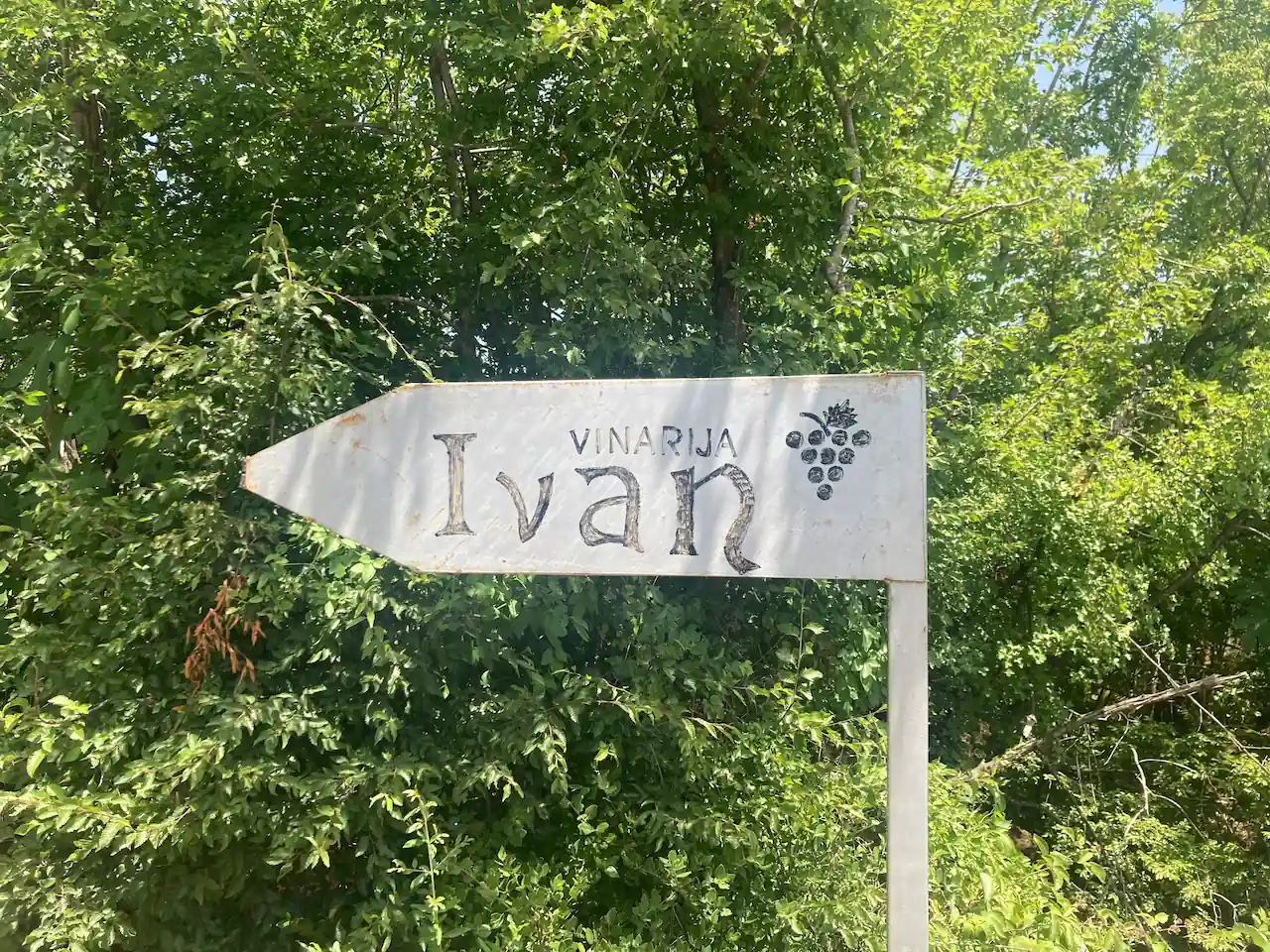
Then drive down to the little town of Virpazar on the shore of Lake Skadar, the largest lake on the Balkan Peninsula. Don’t take a big group tourist boat right by the bridge: instead, rent a small boat for 2 hours. Quietly cruise through the narrow channels among thousands of water lilies. On your way back, stop by one of the small family wineries for some Vranac wine. Just wait until evening — don’t taste the wine while driving!
Day 5: The Southern Coast
The fifth day will show you the south of the country, where tourists don’t come as often. Drive to the half-abandoned medieval town at the foot of the mountains not far from the sea, Old Bar. Nobody lives inside the walls of Old Bar: it is a huge open-air museum with an aqueduct and ruins of Venetian palaces.
At the entrance to the fortress, you will be greeted by a small eastern-style cobbled street where tiny family cafes brew coffee and serve homemade baklava. Nearby grows the Old Olive Tree (Stara Maslina) — an olive tree that is over 2,000 years old.
Day 6: Driving North to the Đurđevića Tara Bridge and Tara River Canyon
In the morning, we pack up and drive from the coast north toward the Durmitor mountain massif (staying overnight in Žabljak).
Along the way, you will drive either through the scenic Morača River Canyon with a stop at the ancient 13th-century Morača Monastery, or via the new stretch of highway over the towering Moračica Bridge.
Next, the road runs along the turquoise Tara River — this is the deepest canyon in Europe (and the second deepest in the world after the Grand Canyon in the US). A mandatory stop is the arched Đurđevića Tara Bridge. Here you can fly across the abyss of the canyon on a zipline, and by evening arrive in Žabljak, check into a mountain cabin, and have lamb cooked under the bell (jagnjetina ispod sača) for dinner.
Day 7: Black Lake in Durmitor, Sedlo Pass, and the Way Home
In the morning, head out for a walk to the glacial Black Lake (Crno Jezero), surrounded by old pine trees and the rocky peak of Međed. The trail around the big and small lakes takes about 2 hours at an easy pace.
After your walk, drive back to the coast (or straight to Podgorica/Tivat airport) not via the old road, but across the panoramic Sedlo Pass, emerald Piva Lake, and Nikšić. In this single drive, you will see landscapes that look like Switzerland, Iceland, and Scotland all at once!
10–14 Day Itinerary: All of Montenegro
- Who it’s for: For those who want to drive around the entire country in a circle, combine beach relaxation with a full road trip, and see places that package-tour tourists will never reach.
- Where to stay: Bay of Kotor (4–5 nights), South coast — Bar or Ulcinj (2–3 nights), Kolašin (1–2 nights), Žabljak (2–3 nights).
- Transport: Rented car only.
Instead of rushing through at a gallop, split the bay into parts:
Day 1: Kotor Old Town early in the morning, San Giovanni Fortress, and evening in Dobrota.
Day 2: Perast, Our Lady of the Rocks island, mussel and oyster farms near Orahovac, and sunset in Tivat.
Day 3: Herceg Novi, the old town fortresses, Savina Monastery, and coffee at the Portonovi resort marina.
Day 4: The Luštica Peninsula with wild coves and a boat trip to Mamula fortress island and the Blue Cave.
Day 5: Driving up the 25 hairpin turns of the serpentine from Kotor to Njeguši village (for pršut and cheese tasting), going up to the Njegoš Mausoleum at the top of Lovćen, and walking around the old capital Cetinje and Lipa Cave (Lipska pećina).
Day 6: The old stone bridge in Rijeka Crnojevića, a boat ride on Lake Skadar from Virpazar, and heading back to the southern coast.
Day 7: A walk around Budva Old Town and the trail through Miločer Park to Sveti Stefan, then on to Old Bar (walking through the medieval fortress ruins, aqueduct, and olive groves).
Day 8: The very south of Montenegro on the border with Albania — the town of Ulcinj (with a former pirate fortress and a completely different, eastern atmosphere), the 12-kilometer sandy Long Beach (Velika Plaža), and the river island of Ada Bojana in the Bojana River delta. This is a kitesurfing mecca and the place with the best wooden fish restaurants on stilts right over the water.
Day 9: We say goodbye to the sea and drive through Podgorica north on the new highway (through 16 tunnels and over the sky-high Moračica Bridge) to the mountain town of Kolašin.
Day 10: Biogradska Gora National Park — one of the last three primeval forests in Europe, where the trees are 400–500 years old. A walk around Biogradsko Lake (about 4 km along wooden boardwalks and a forest trail) and driving up to the mountain pastures. (If you have a full 14 days and love wild trekking — from here you can make a 1–2 day side trip even further east to Prokletije National Park on the border with Albania: the Grebaje and Ropojana valleys look like the Dolomites without a single tourist!)
Day 11: We leave Kolašin along the Tara River Canyon via Mojkovac to the Đurđevića Tara Bridge. Rafting on the Tara or flying on a zipline over the canyon (if you are not afraid). In the evening, checking in at Žabljak and walking to Black Lake.
Day 12 (The main highlight of the whole trip for drivers): Driving the panoramic Durmitor Ring road or crossing Sedlo Pass toward Trsa and Plužine. This is the most beautiful road in Montenegro that I have driven by car: alpine meadows, flocks of sheep, cliffs, canyons, and a descent through tunnels carved straight into the sheer rock face down to Piva Lake (Pivsko jezero).
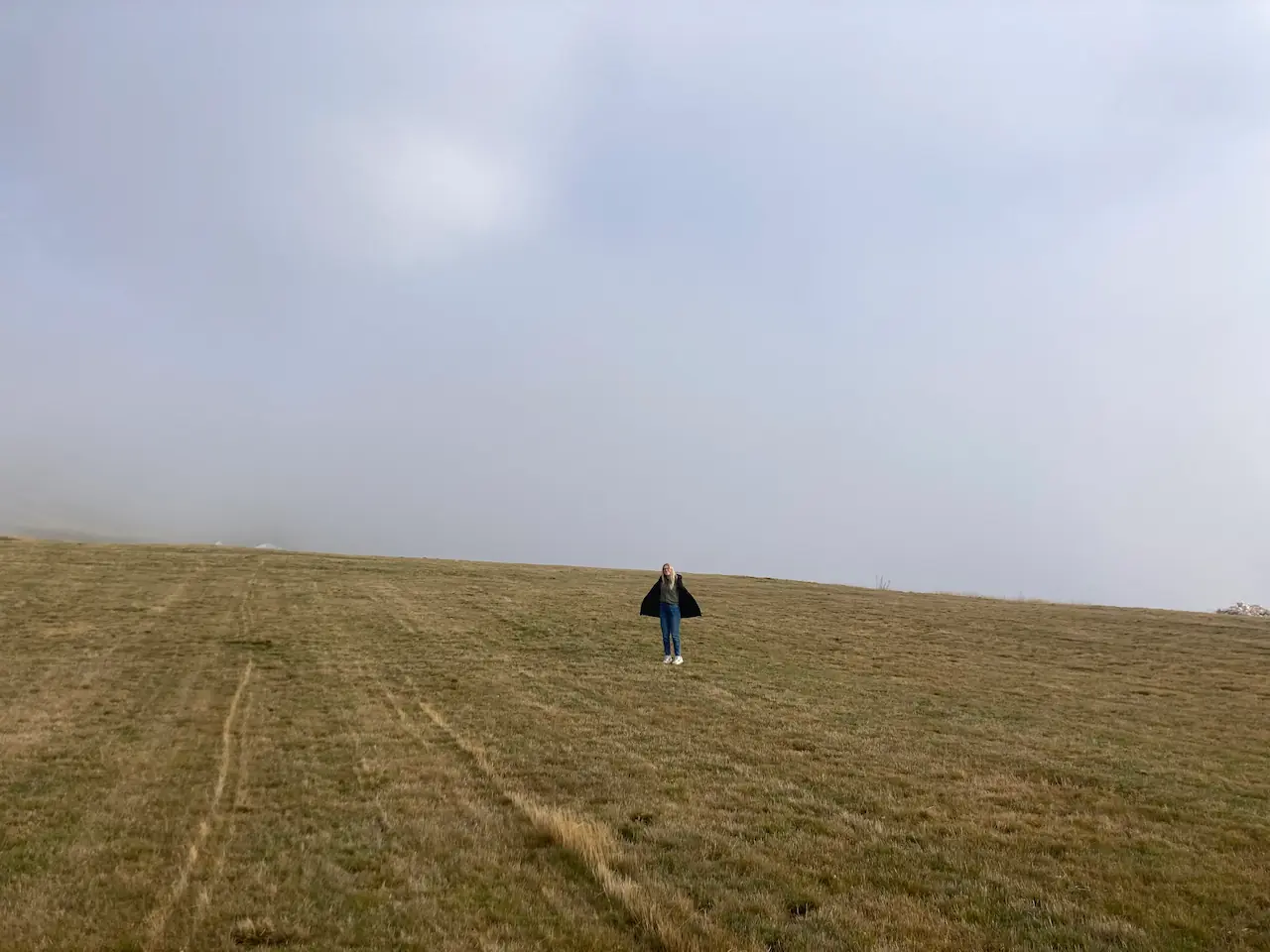
Day 13: Driving south from Durmitor past Piva Lake and Nikšić to Ostrog Monastery, carved straight into a vertical cliff. Even if you are far from religion, the scale of the building in the cliff is impressive.
Day 14: Returning to the coast via the new road through Grahovo, which smoothly descends from the mountains right down to the Bay of Kotor. A final swim in the Adriatic, buying homemade pršut, cheese, and a bottle of Vranac wine, and flying home.
Should You Rent a Car?
In Montenegro, you can have a great vacation both with a car and without one. Let’s break down in detail whether you specifically need a car.
Without a car
- If you are not comfortable driving on narrow roads. If you only want to see the coast and maybe Podgorica. Montenegrins often drive like crazy; if you are not ready for Balkan driving, maybe you shouldn’t rent a car.
- By public transport, you can easily travel between all the coastal towns — from Herceg Novi down to Ulcinj. You can also reach Podgorica, Cetinje, and possibly Nikšić by intercity buses.
- Importantly, there are no ticket apps in Montenegro. The only way to buy a ticket is to walk up to the ticket window at the bus station and buy it there from the cashier.
- Buses rarely arrive on time. As we discussed above, there is a lot of traffic and the roads are narrow, so you will have to wait.
With a rented car
- If you want to see the real Montenegro, it simply won’t work without a car. Everything north of Podgorica is poorly covered by public transport.
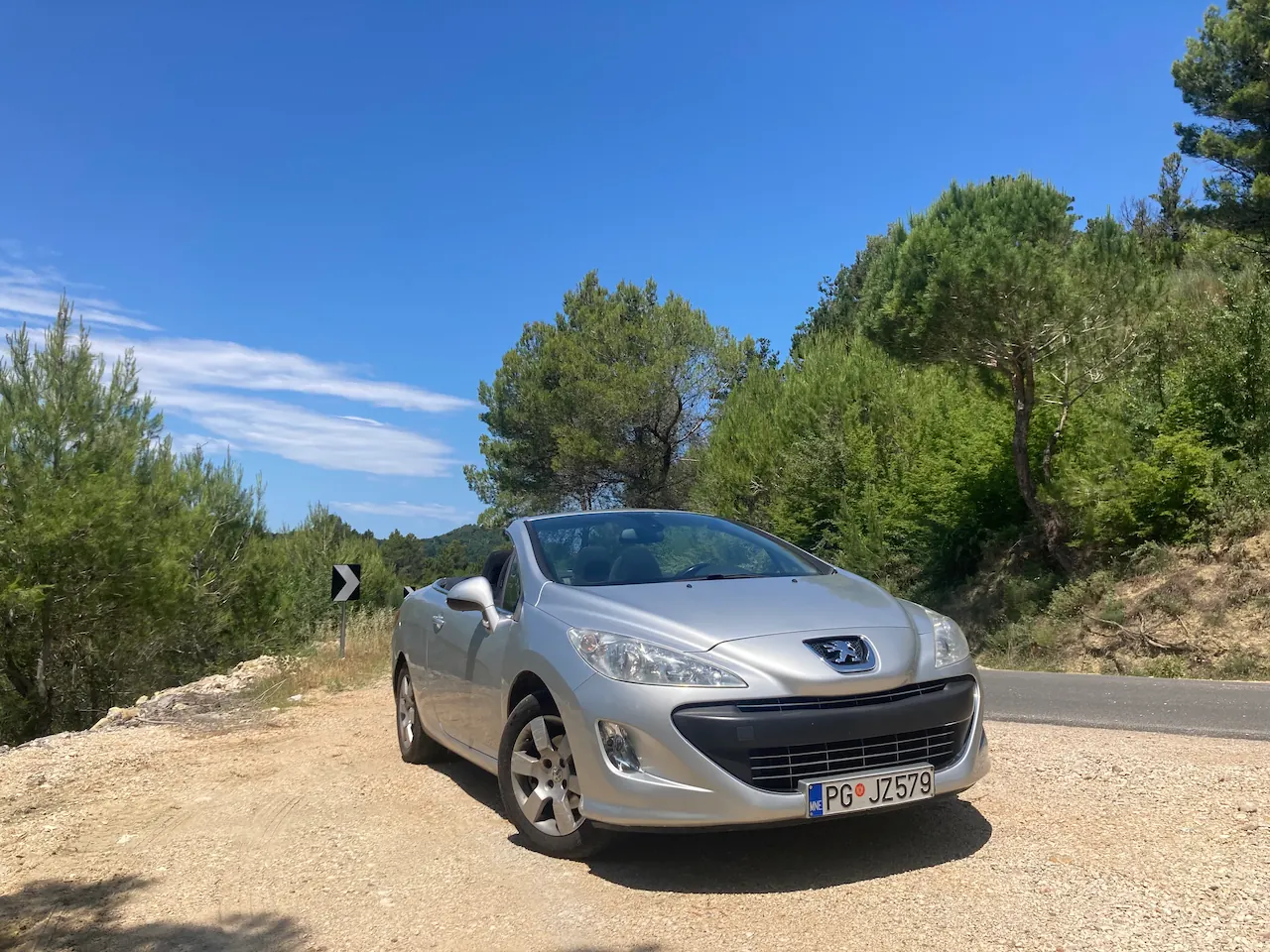
- What you should know about renting a car in Montenegro is that it is easier and cheaper than in the rest of Europe. If you don’t use mainstream companies like Sixt, you don’t even need a credit card to rent — often they will give you a car with no deposit at all (or with a minimal deposit of 100–200 euros in cash or by debit card). I always rented cars on Localrent. Take a look, they have a handy filter, and book your car in advance — it will be cheaper.
- Usually, the rental, insurance, and gas come out cheaper than buses. Just a single bus ticket from Podgorica to Budva costs around 10 euros per person.
- Get a comfortable car, not necessarily an SUV. Yes, it is nicer to drive an SUV in the mountains, but if your budget doesn’t allow it, there is no need. I drove a beat-up 2002 Opel Corsa with a 50 hp engine. Going uphill was tough for it, but passing oncoming cars on a narrow road was much less of a problem.
How exactly to inspect a car from a rental company, how I avoided a 30-euro scam for a scratch I didn’t cause, and the places in Montenegro that no guides write about at all (not even on montenegrotravel.guide) — I wrote about all of this in my book "Montenegro Insider Travel Guide" — I recommend reading it or downloading the first 11 pages for free.
Which Airport to Choose for Flying into Montenegro
There are three main choices here — Podgorica, Tivat, and Dubrovnik.
Right away, I want to rule out Dubrovnik. It is located very close to Montenegro, and it might seem like getting to Herceg Novi or even Kotor would be effortless. But as you already know, Google Maps cannot calculate real driving times in the Balkans. Also, Montenegro is not in Schengen, so there will be full passport control at the border. In summer, due to the flow of tourists, the line at the border stretches out for long hours.
It is better to choose Tivat if you plan to spend most of your time by the sea. On landing, very beautiful views await you — of the sea or the mountains, and also Lake Skadar if you get lucky.
If flying into Podgorica is more convenient or cheaper, pick it. Just book a transfer and download local taxi apps to get from the airport (there is no Uber or Bolt in Montenegro).
My Personal Conclusion
Montenegro is a country of high mountains and contrasts. In a 15-minute drive, you go from a medieval town into a modern town with expensive boutiques and yachts. Or you step out of the warm sea and a couple of hours’ drive later you are already freezing in Durmitor National Park near cool mountain lakes. It is easy to fall in love with Montenegrin beauty at first sight. But to truly enjoy this country, don’t get greedy with kilometers and don’t rush anywhere.
Once you get to know this amazing country a little closer, you will realize that this is the number one principle of every Montenegrin — never rush anywhere.